


Osteochondrosis is a degenerative dystrophic disease of the spine and surrounding tissues.The process of dystrophy means malnutrition, and degeneration means premature aging, changes in tissue structure and properties.The degenerative process is involutional, the natural process of aging of the body.However, when exposed to various adverse factors, the condition will accelerate, leading to the development of the disease.
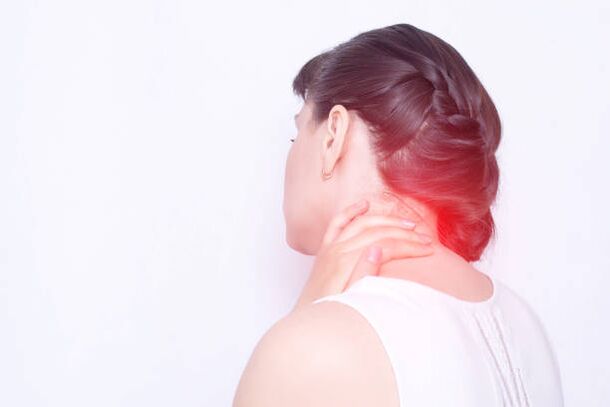
The relevance of spinal osteochondrosis lies in its high frequency of transmission, especially in developed countries, affecting people of working age (30-60 years), complete or partial incapacity, and a chronic course and progression of the disease without adequate treatment and prevention.
Causes of osteochondrosis
1. The load is too large
The degenerative process of the intervertebral disc is thought to be the difference between its strength properties and the loads applied to it.Increased stress on the spine includes lifting weights, remaining in the same position for long periods of time (sitting, standing), sudden movements, jumping from heights, injuries, curvature of the spine, incorrect posture, and excess weight.
Due to excessive loading, spinal structures can become damaged.The intervertebral disc is particularly sensitive to overload, acts as a shock absorber, and together with the facet joints provide movement of the spine.
2. Intervertebral disc dystrophy
The intervertebral disc has no blood vessels of its own and relies on interstitial fluid spreading from surrounding tissue for nourishment.The motor activity of the spine and surrounding muscles facilitates the diffusion process.
Therefore, long-term restriction of spinal movement, long-term sedentary work, and lack of physical activity will lead to a decrease in intervertebral disc nutrition and lead to the occurrence of osteochondrosis.
3. Other factors
Genetic predispositions, metabolic disorders, hormonal changes, physical illnesses.
Under the influence of these factors, the blood circulation and metabolic processes of the spine are disrupted, and the hydration of the intervertebral discs is reduced.In the annulus fibrosus of the intervertebral disc, the fibers disintegrate and microcracks and tears appear, causing the nucleus pulposus to migrate and form an intervertebral disc herniation or herniation.
A herniated disc can irritate the sensitive nerve roots of the spinal nerves, causing pain in the back or along the associated nerve fibers.Reflexive tension and spasm occur in surrounding muscles, accompanied by pain, back stiffness, and limited movement.
Changes in the surrounding tissues in the form of back muscle tension, dysfunction, and nerve root irritation exacerbate existing blood microcirculation disorders and metabolic changes, leading to a closed pathological cycle in spinal osteochondrosis.
Types of osteochondrosis
Depending on the location, osteochondrosis of the cervical, thoracic, or lumbar spine can be distinguished.When all departments are involved, they speak of widespread osteochondrosis of the spine.
The lumbar area is most commonly affected, accounting for approximately half of all cases of osteochondrosis.This is because the lower part of the spine is subject to greater static loads than other parts of the spine.
The second most common location is the neck area.Accounts for approximately 1/4 of osteochondrosis cases.This part of the spine is most susceptible because the head is forced into one position - sitting in front of a computer for long periods of time, sedentary work, monotonous physical work.
The development of osteochondrosis of the thoracic spine is associated with limited mobility of this segment, which is stabilized by the costosternal framework.
Symptoms of spinal osteochondrosis
The symptoms of osteochondrosis fall into two main categories:
local symptomsFor example, pain in the back or a certain part of the back: pain in the neck, waist, or between the shoulder blades.Local symptoms also include tightness, stiffness, heaviness, and discomfort in the back muscles.
long term symptomsIts appearance is associated with the involvement of the spinal nervous or vascular system, which is responsible for the innervation and blood supply of certain structures of the body.
The characteristics of cervical osteochondrosis are:Pain in the neck, occipital area, shoulder girdle, and collar area.Pain may radiate to the arm, shoulder, elbow joint, or hand, and may be accompanied by numbness or a "crawling" feeling in the arm, and limited movement of the upper limb joints.
Vertebral artery syndrome is often accompanied by osteochondrosis of this segment of the spine.It is the result of compression or spasm of the vertebral arteries, which pass through the transverse processes of the cervical vertebrae and participate in the blood supply to the brain.Vertebral artery syndrome presents with throbbing headaches, head murmurs, and dizziness.
Thoracic osteochondrosisIt manifests as pain in the chest and back between the shoulder blades, which can spread along the intercostal spaces to the front of the chest in the form of intercostal neuralgia, simulating heart pain. In this case, the nature of heart pain needs to be ruled out.
When the lower thoracic spine is involved, the pain can move to the anterior abdominal wall and abdomen, simulating visceral disease.
For lumbar osteochondrosisThe pain is concentrated in the lower back, buttocks, spreads down to the legs, and may be accompanied by numbness, tingling, spasmodic twitching of leg muscles, atrophy, and pelvic organ dysfunction.
Spinal osteochondrosis is characterized by chronic back pain that worsens at night, after prolonged sitting or standing, or after physical activity.
Diagnosis of osteochondrosis
The diagnosis of spinal osteochondrosis is based on the study of the patient's complaints, collection of the disease history, and clinical, neurological, and orthopedic examination of the patient.
If necessary, laboratory or instrumental diagnostic methods may be used, such as radiography, magnetic resonance imaging (MRI) of the spine, computed tomography (CT), Doppler imaging of cervical and intracranial vessels, electrocardiography.Detailed diagnosis is required to rule out more serious spinal disorders, identify complications of osteochondrosis, and select the best treatment strategy for osteochondrosis.
Treatment of spinal osteochondrosis
The Spine Center provides comprehensive treatment for osteochondrosis of the spine.
For the treatment of osteochondrosis, our center uses modern equipment and treatment methods and employs qualified specialists: chiropractors, orthopedic traumatologists, neurologists, chiropractors, who will help you correctly diagnose spinal diseases and develop the necessary treatment procedures.
An individualized treatment plan is selected for each patient based on the stage of the disease, clinical manifestations of osteochondrosis, presence of concomitant diseases and contraindications to treatment.
The center treats osteochondrosis of the spine using the following methods:
Drug treatment of osteochondrosisAimed at alleviating disease exacerbations and influencing the pathogenesis of the disease.
Back massage, spinal correctionReturn the tension and elasticity of back muscles to normal, improve blood supply, eliminate nerve root compression, and restore the mobility of spinal motion segments.
spinal tractionIt is used when osteochondrosis is complicated by disc herniation and intervertebral hernia, and there are symptoms of nerve root compression.Traction is performed under the supervision of the attending physician.
therapeutic blockade- This is the local injection of drugs into the area of pathological lesions.With its help, you can achieve maximum concentration of the drug in the desired area and thus achieve a therapeutic effect.For the treatment of osteochondrosis, paravertebral blocks are mainly used - drugs are introduced into the tissue surrounding the vertebrae, close to the intervertebral nerve roots.
shockwave therapy- New directions in the treatment of spinal osteochondrosis and its complications.The method was originally developed in Switzerland to fragment stones in internal organs, but has since been shown to be highly effective in treating diseases of the musculoskeletal system.
The treatment of osteochondrosis in our center uses the American Pro-Ajuster shock wave therapy device, which is specially designed for the diagnosis and treatment of spinal and surrounding soft tissue diseases.This device allows you to diagnose the status of tissue density and tension and then act on areas of change.
To treat osteochondrosis, various physical therapy methods can be used, such as: magnet therapy, laser therapy, ultrasound, muscle stimulation, and electrotherapy.
Prevent osteochondrosis
As we all know, the best way to treat disease is prevention.To prevent the development of osteochondrosis, prevention must be addressed starting in early childhood.
Prompt examination by a pediatric orthopedic surgeon can promptly detect postural disorders, deviations in physical development and correct existing changes.From the first year of life, it is necessary to carry out physical exercises, outdoor sports, games, monitor posture and avoid overloading the spine.
Key activities that help maintain a healthy spine include:
- Reasonable work and rest: avoid sitting for long periods of time, get up regularly, stretch your back, straighten your back, pay attention to your posture, and sleep on a semi-hard bed;
- Eliminate spinal overload: do not lift heavy objects, especially in a stooped position, avoid falling and jumping from high places to avoid spinal injuries, and monitor your weight;
- Systematic back exercises;
- Proper nutrition;
- Diagnose and eliminate back pain and discomfort promptly.